Roofline Stucco Repair That Stops Moisture Before It Starts
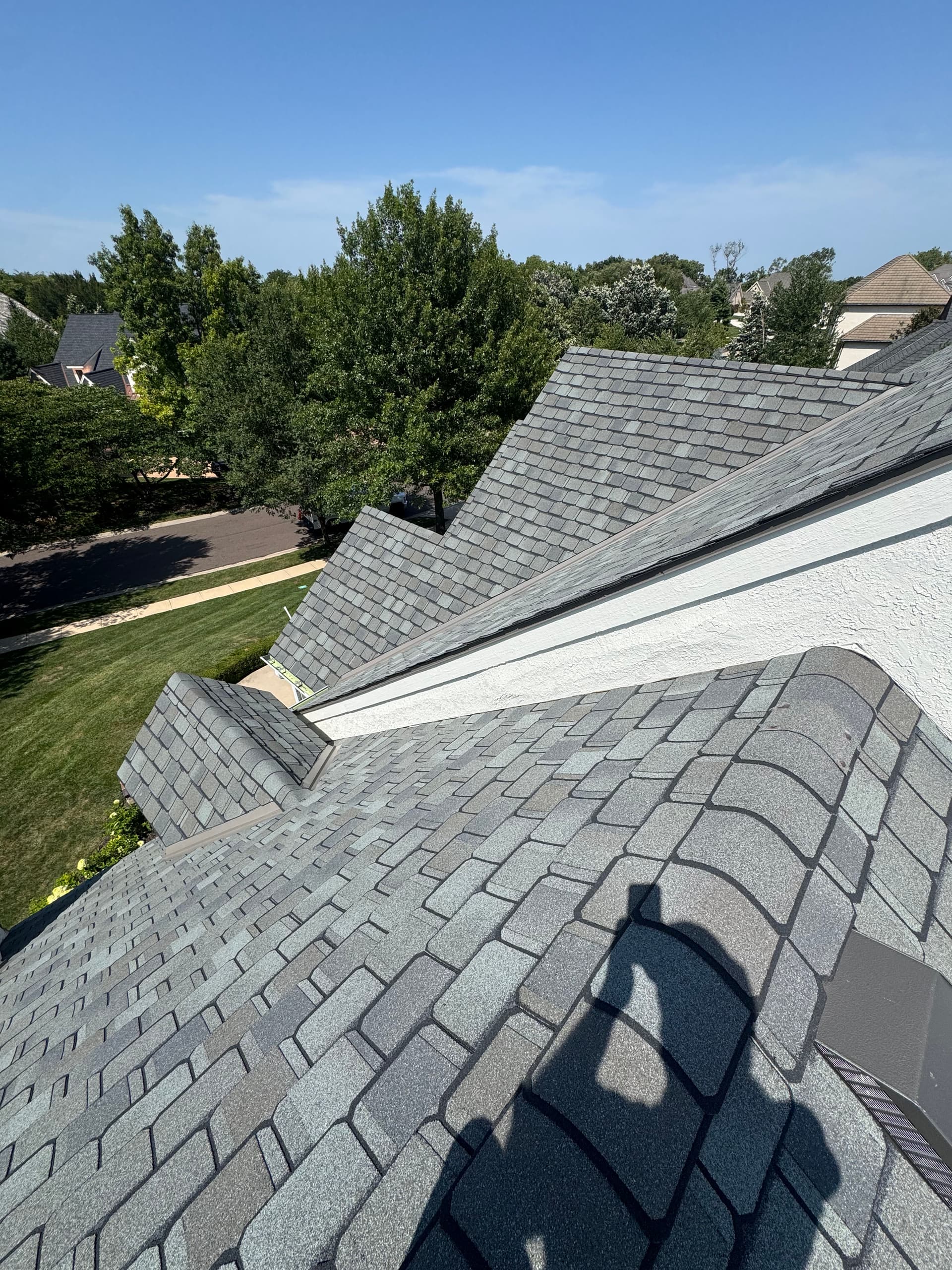
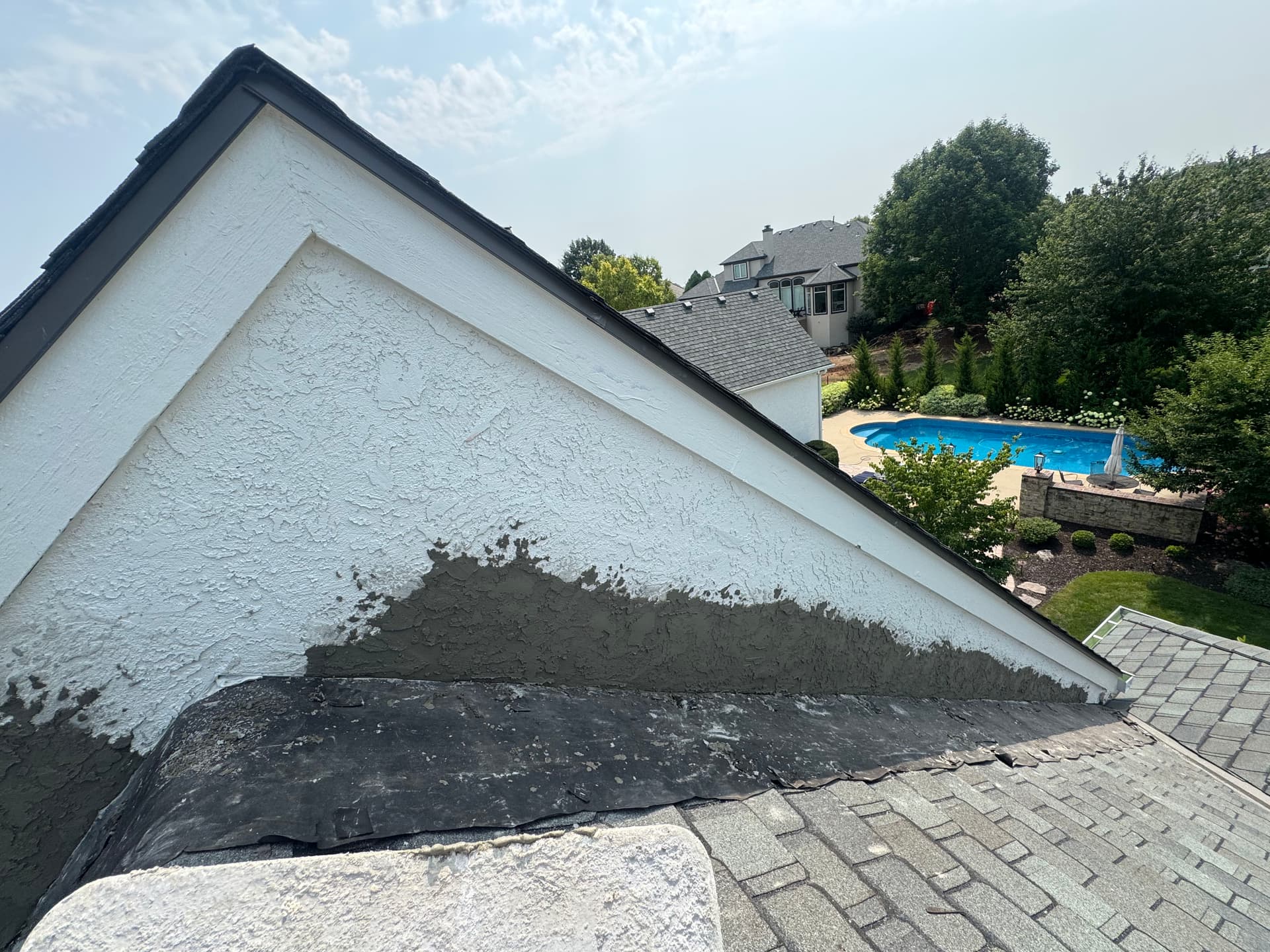
Stucco that creeps down onto the roofline looks like a small cosmetic issue. It's not. When stucco builds up where it meets the roof, it traps moisture against the substrate - and that moisture has nowhere to go. Over time, it works its way into the framing, the sheathing, and anywhere else it can find a path.
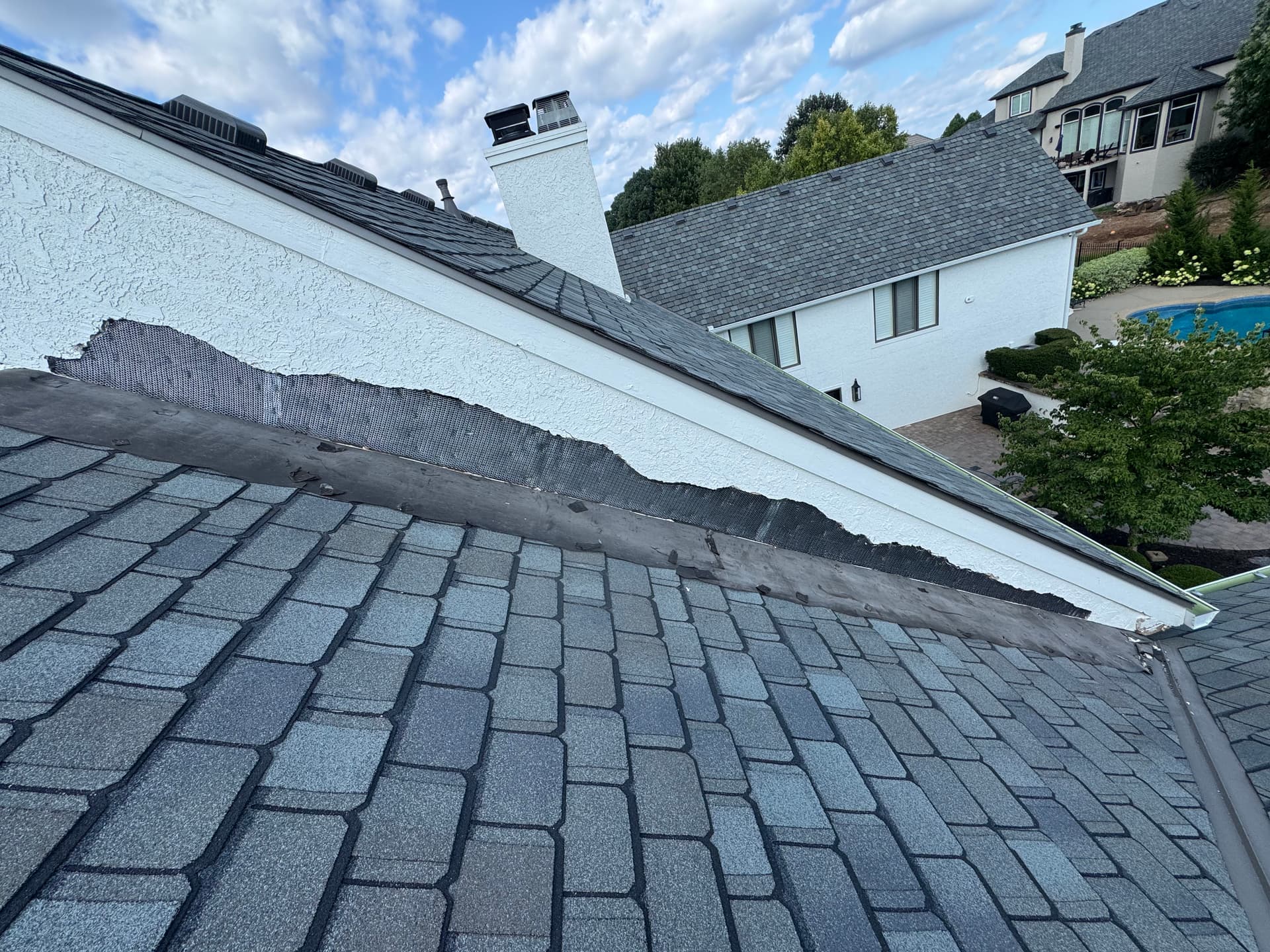
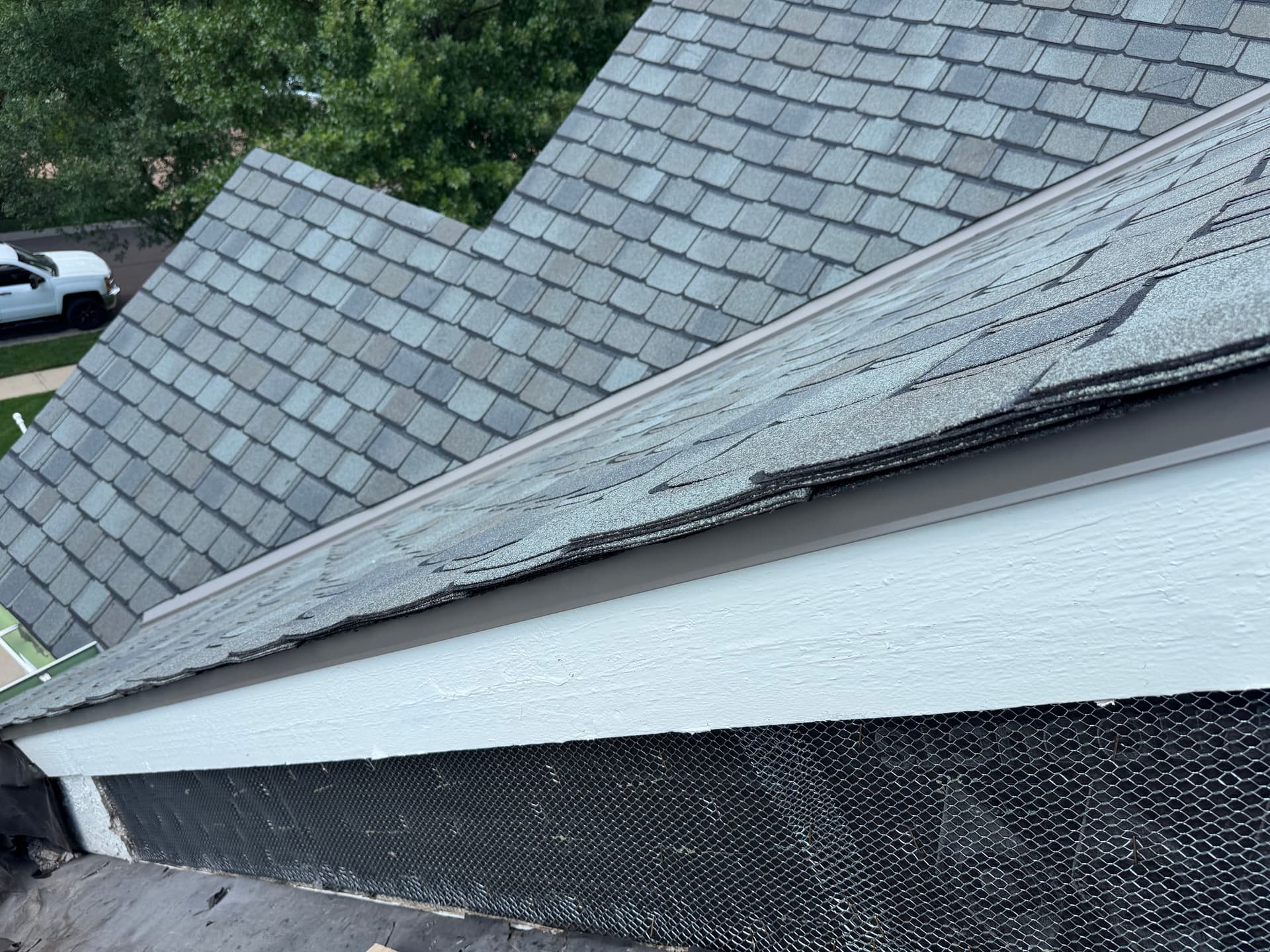
Here's what we were working with on this one. The stucco had extended well past where it should have stopped, lapping down over the roofline and sitting on top of the shingles. You could see the mesh exposed where the old material had started failing, and the area around the base was already showing the early signs of moisture damage. Left alone, this gets expensive fast.
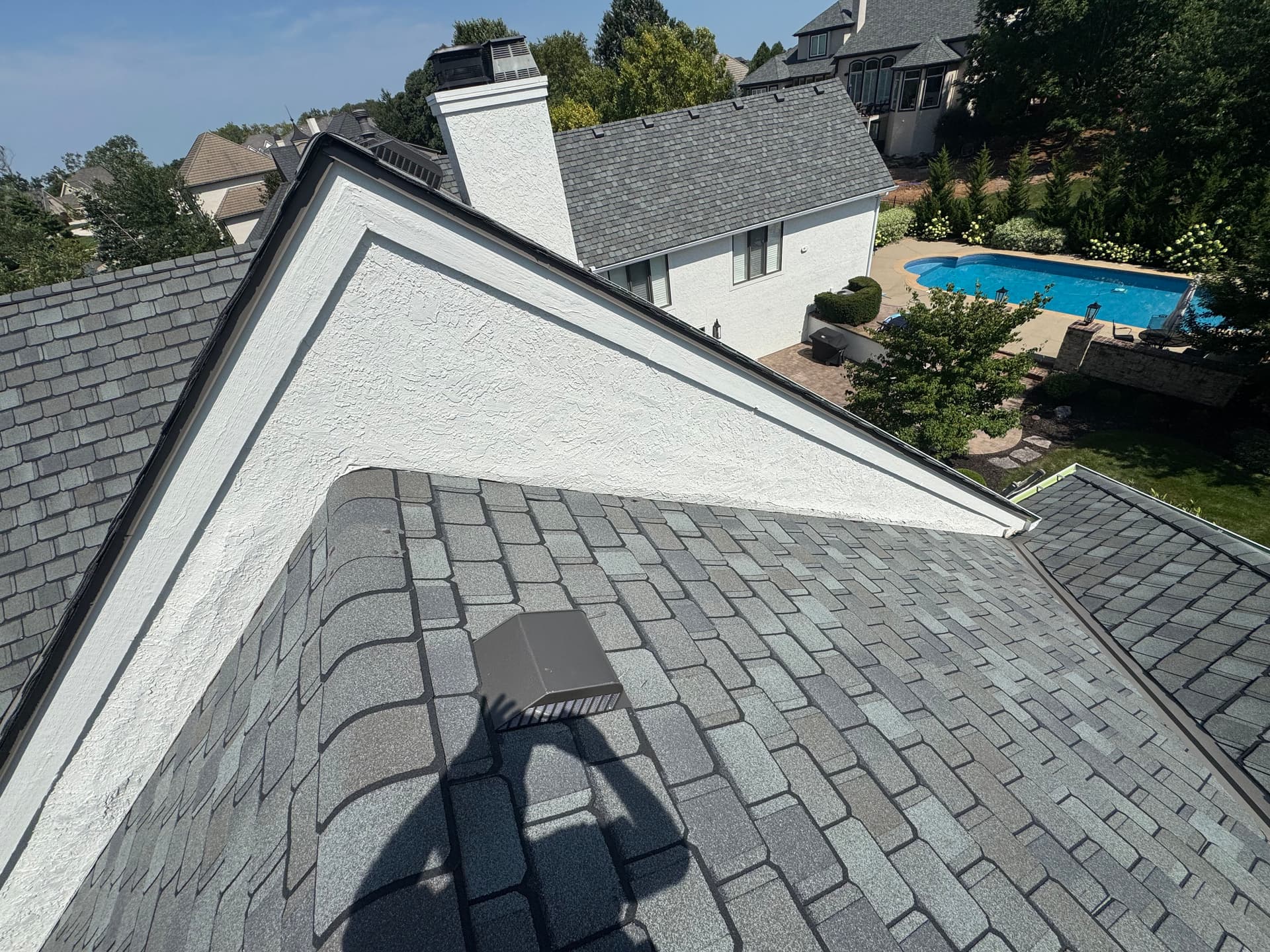
We cut out the compromised section completely. No patching over bad material - that just delays the problem. Once we had a clean surface with the lath mesh properly prepped, we applied fresh stucco and worked it to match the existing texture on the rest of the wall. The goal is always for the repair to disappear into the rest of the exterior.
The finished roofline sits tight and clean. The stucco now terminates correctly, the roof flashing has room to do its job, and there's no longer a spot where water can pool and sit. That's really what a repair like this comes down to - getting the details right so the exterior can actually protect the structure underneath it.
Most homeowners never get up on the roof to check the roofline stucco. That's understandable. But if your home has stucco and it's been a while since anyone took a close look at where it meets the roofline or flashing, it's worth having someone check it out. Small issues here are cheap to fix. The same issues a few years later - not so much.